How to Make a Gift Feel Personal Without Knowing Him Well (The Observer's Guide)
The social contract of gift-giving often feels like an elaborate guessing game. You're standing in a store aisle, faced with hundreds of objects—a candle, a book, a Adelaide fancy coffee blend—and the recipient is someone you know professionally, or perhaps only through shared circles. The pressure to find something meaningful can feel immense, especially when your knowledge base about the person feels shallow. What do you buy that says, "I see you," when all you really see are his nice shoes and Discover more here his laugh?
It's a common dilemma: how to make a gift feel personal without knowing him well. The truth is, true intimacy is rare, but thoughtfulness isn't. You don't need years of friendship or shared trauma to be considerate. You just need your eyes, your ears, and the ability to observe details like a detective looking for clues. By shifting your focus from expense to observation, you can transform a generic item into something deeply resonant.
Observing the Environment: The Art of Contextual Gifting
The easiest place to find personal insight is not in deep conversation, but in the person’s immediate environment. People are masters of curation, and their surroundings act like an open-source biography. You don't need to pry into their deepest secrets; you just need to notice what they choose to keep within arm's reach.
Are there travel mugs cluttering his desk? He might be a frequent traveler. Does he have a stack of books on philosophy or local history? His interests are likely intellectual. Is his bookshelf filled with cookbooks, even if he rarely cooks at home? Maybe he's dreaming of culinary adventures. These small details are goldmines.

Instead of buying him a book, maybe you buy the highly recommended guide to a region he mentioned wanting to visit. Instead of buying any coffee, find a roast from a specific regional farm that aligns with his known interests. This is where the magic happens: the gift becomes less about the object and more about the story attached to it.
Focusing on Experience Over Material Goods
If you are struggling to make a physical item feel personal, shift your focus entirely onto shared experiences or self-improvement tools. These gifts operate like emotional scaffolding—they support memories rather than just occupying space. They allow the recipient to do something with the gift, which automatically makes it more meaningful.
Think about things that facilitate joy or relaxation. Perhaps he mentions hating his morning commute. A gift certificate for a commuter coffee shop near his office, paired with an intriguing podcast suggestion, acknowledges his daily struggle while providing a momentary pleasure. This shows you’ve been listening actively—a far more valuable commodity than any gadget.
For example, I once had to buy a gift for a co-worker whose deep passion was vintage vinyl records, but who never seemed to own many records himself. Instead of buying him albums (which would require knowing his favorite genre), I bought him a beautiful, high-quality record cleaning kit and a few specialty brushes. It wasn't the music; it was the ritual of caring for music that spoke volumes about what he valued.
Tapping into Universal Passions and Self-Care
When observation fails you—when the person is notoriously private or when you simply don’t have time to observe enough—you must pivot to universal human needs. These are the things everyone, regardless of background or relationship depth, appreciates: comfort, good smells, quality downtime, or delicious food.
The key here is elevation. Don't just buy a candle; buy an ethically sourced soy candle with notes of sandalwood and tobacco—a niche scent that suggests maturity and taste. Don’t buy any beverage gift basket; curate one around a specific mood, like "Rainy Day Read" or "Mid-Week Recharge."
Remember the adage: Thoughtfulness is currency. When you select gifts based on universal care (like comfort), you are spending emotional currency rather than monetary it. This inherently makes the gesture feel personal because the intention is so clear and empathetic.
The Power of Presentation and Narrative
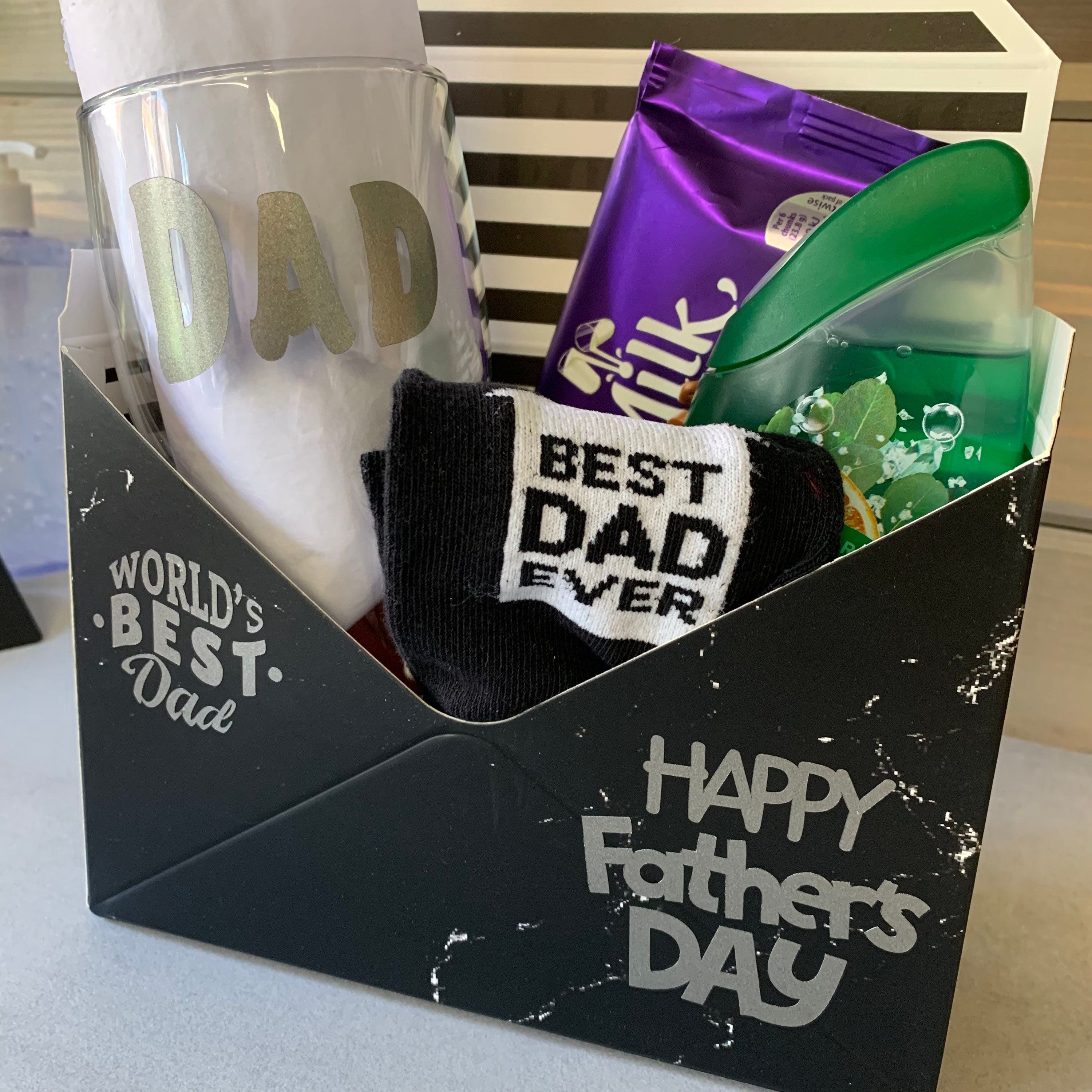
Sometimes, the gift itself is merely a prop; the presentation is the performance. No matter how simple or generic the item is—a decent pair of socks, for instance—you can elevate its perceived meaning through narrative and care.
How do you wrap it? Do you include a handwritten note that doesn't just say "Happy Birthday," but actually references something specific from your limited interactions? For example: “Hope these help you survive another round of those terrible Monday meetings.” This tiny, inside joke (even if the ‘joke’ is just shared workplace misery) instantly creates a bond.
A quote once stated, "The best gifts are not things; they are moments." By pairing your physical gift with a small story or memory—like suggesting he read the book while sitting in that park you both passed by last month—you force the recipient to connect the item back to a shared (or imagined) moment.
Cultivating Future Connections Through Thoughtful Gifting
The goal of giving gifts shouldn't feel like solving a complex puzzle every time. It should be an extension of genuine care. By practicing these observation skills, you are not just becoming better gift-givers; you are becoming better listeners and people. You train yourself to notice the small details in life—the slight exhaustion in someone’s shoulders, or the way they always reach for a specific brand of tea.
Moving forward with this mindset means accepting that perfection is not required. A well-intentioned, observed gift will always eclipse an expensive, random one. As you continue to encounter new people and navigate social circles, remember that every interaction is a chance to gather data points—clues about what makes another person tick.
How can you start improving your observational skills immediately? Next time you interact with someone, instead of thinking about what gift they might deserve, simply pay attention to one detail: their favorite color, the brand on their laptop bag, or a recurring topic of conversation. These tiny pieces of information are the foundation for making that next gesture feel deeply personal.